


December 15, 2025
News
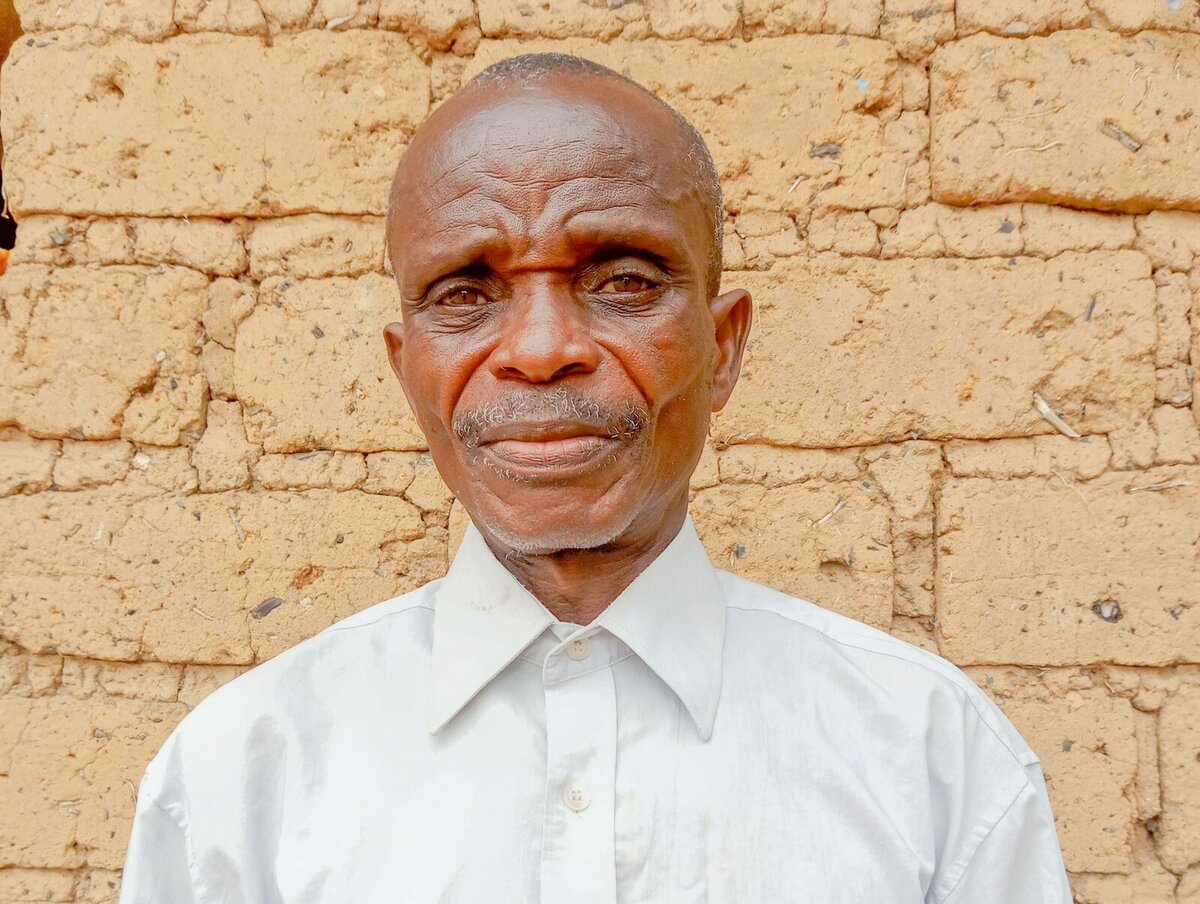
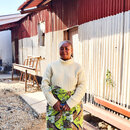
When Kikasa fled conflict in Moba District of the Democratic Republic of Congo in 2017, he arrived in Zambia with little more than hope for safety and a better future for his family. Settling in Mantapala Refugee Settlement, the 59-year-old father of six faced endless challenges as he struggled to meet the basic needs of his household due to the absence of sustainable livelihood opportunities. Like many refugees, Kikasa found it difficult to secure a stable source of income. Providing food, education, and other essentials for his family was a daily struggle without workable livelihood activities. The situation left him vulnerable and uncertain about the future.
Supporting Sustainable Livelihoods Through Beekeeping
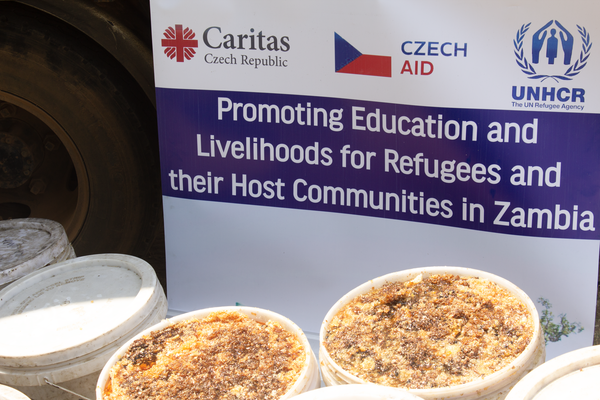
This changed in 2024 when Caritas Czech Republic, through its Honey Value Chain intervention under Enhancing well-being and self-reliance of refugees and their host communities project, extended livelihood assistance to vulnerable households in Mantapala Refugee Settlement. Caritas Czech Republic identified 100 individuals with the potential to engage in beekeeping as a sustainable activity and Kikasa was among those selected.
He received ten beehives along with intensive capacity building training in beekeeping and honey production as part of the intervention. The technical trainings were facilitated by the Department of Forestry and Ministry of Green Economy and Environment, while business skills and financial literacy sessions were delivered by officers from the Ministry of Community Development and Social Services and the Ministry of Small and Medium Enterprise Development. These trainings equipped him not only with practical beekeeping skills but also with knowledge on business management and financial planning.
In addition to training, Caritas Czech Republic ensured continuous technical support through beekeeping mentors who assisted them with hive baiting, monitoring, and harvesting. Caritas Czech Republic staff also conducted regular supervision and monitoring to ensure proper implementation and to provide guidance where needed. The intervention was implemented in close collaboration with settlement leadership structures, including the Central Committee, Youth Committee, block leaders, and host community leadership, ensuring transparency and inclusiveness.
Tangible Results and Improved Household Well-being
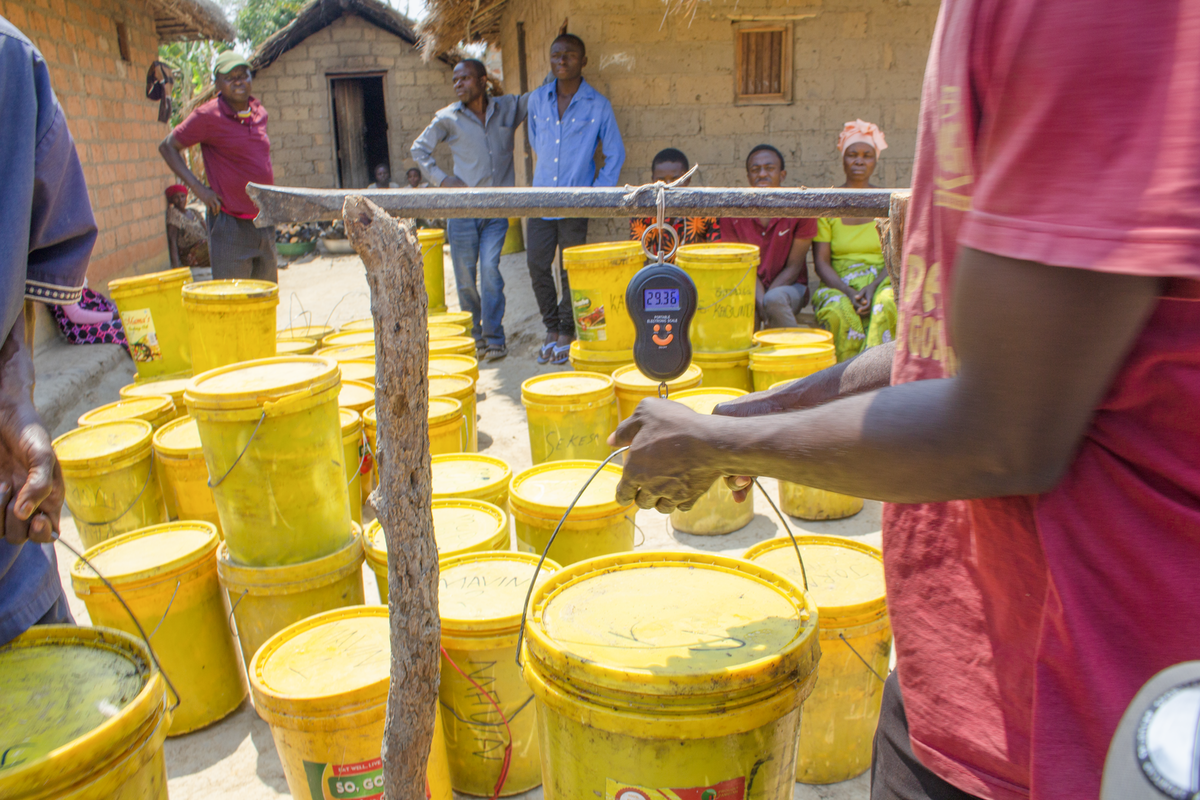
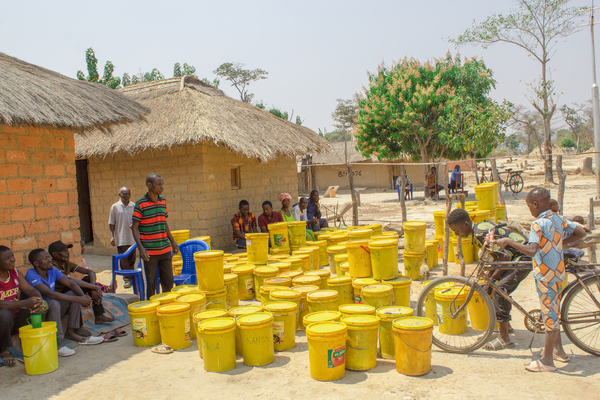
Kikasa successfully managed his ten beehives and harvested an impressive 186 kilograms of honey by applying the knowledge and skills he gained. He sold his produce to Treetop Honey Company, providing him sufficient income to support his family.
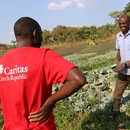
The impact of this income has been transformative. Kikasa used the income from honey sales to buy farming inputs and provide for his family’s basic needs. He cultivated a larger field than ever before since arriving in Zambia, marking a key improvement in his household’s food security and economic stability. Looking ahead, he is optimistic that the next season will produce enough food for both family use and sale, helping to strengthen his family’s finances.
Reflecting on his journey, Kikasa shared his gratitude and renewed sense of hope.
“Starting all over again is hard, even harder when you have to do it by yourself. But Caritas Czech Republic has made it easier for me because of the support in beekeeping the organization gave me. This support has helped me to have renewed hope for me and my family. Thank you, Caritas Czech Republic.” He said.
Building Self-Reliance Through the Honey Value Chain
Kikasa’s story is a powerful example of how targeted livelihood interventions, combined with capacity building and mentorship, can restore dignity, self-reliance, and hope among refugee communities. Through the Honey Value Chain intervention, Caritas Czech Republic continues to empower vulnerable households in Mantapala Refugee Settlement to rebuild their lives and secure a more sustainable future.