


September 2, 2026
News
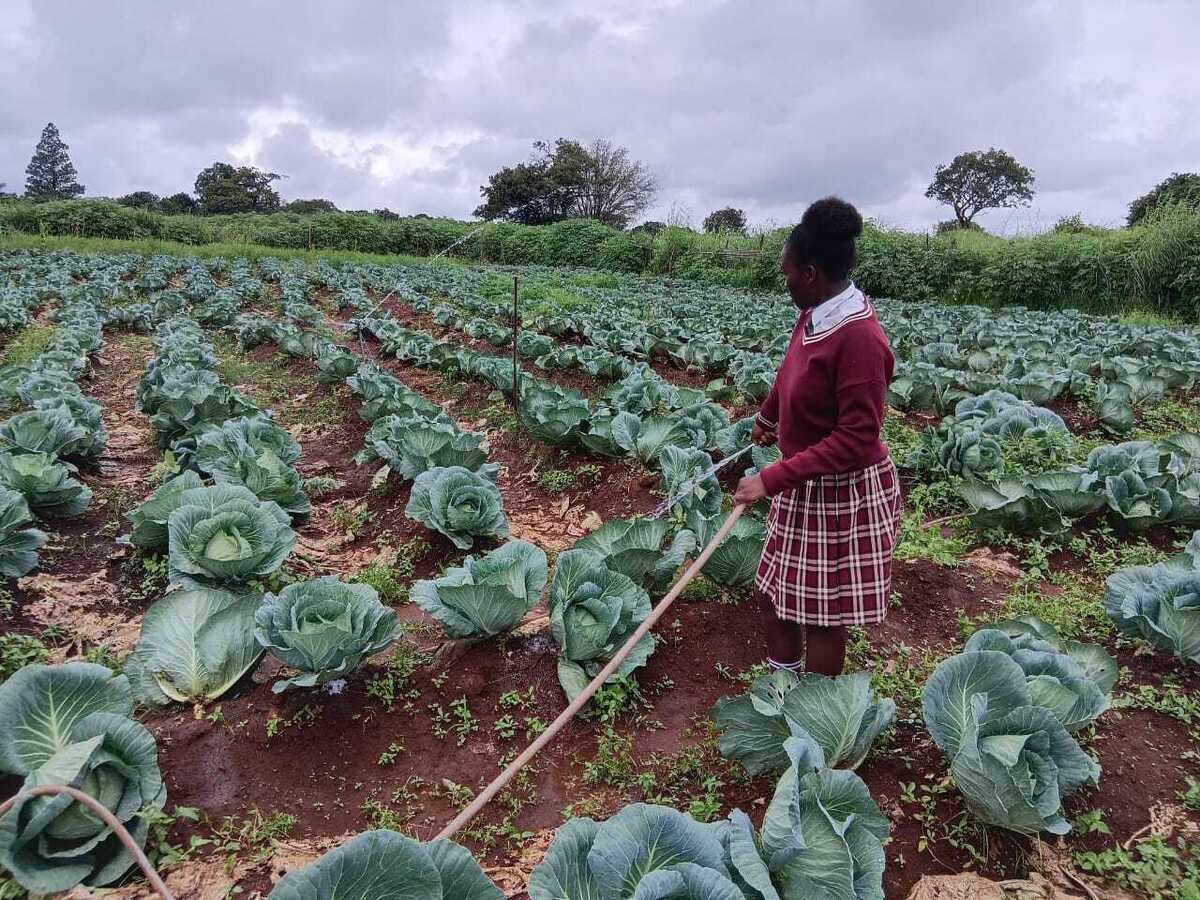
At Meheba Boarding Secondary School in Zambia’s North-Western Province, a cabbage garden is helping the school find a practical way to support its feeding programme while giving learners valuable agricultural experience. Located within the Meheba refugee settlement in Kalumbila District, the school brings together refugee and local Zambian learners. With support from UNHCR and implementation by Caritas Czech Republic, its revitalised production unit is now contributing fresh vegetables to school meals while creating opportunities for learners to gain hands-on experience in food production.
From Buying Vegetables to Growing Them
For some time, the school relied on purchasing vegetables from outside to supplement its feeding programme. This placed additional pressure on the catering budget and could make it difficult to maintain a consistent supply of fresh produce.
The school’s production unit is helping to change this by bringing food production closer to where it is needed.
A Garden Takes Root
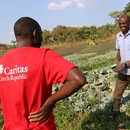
Through the provision of agricultural inputs, teachers and learners have worked together to establish and maintain a cabbage garden on the school grounds.
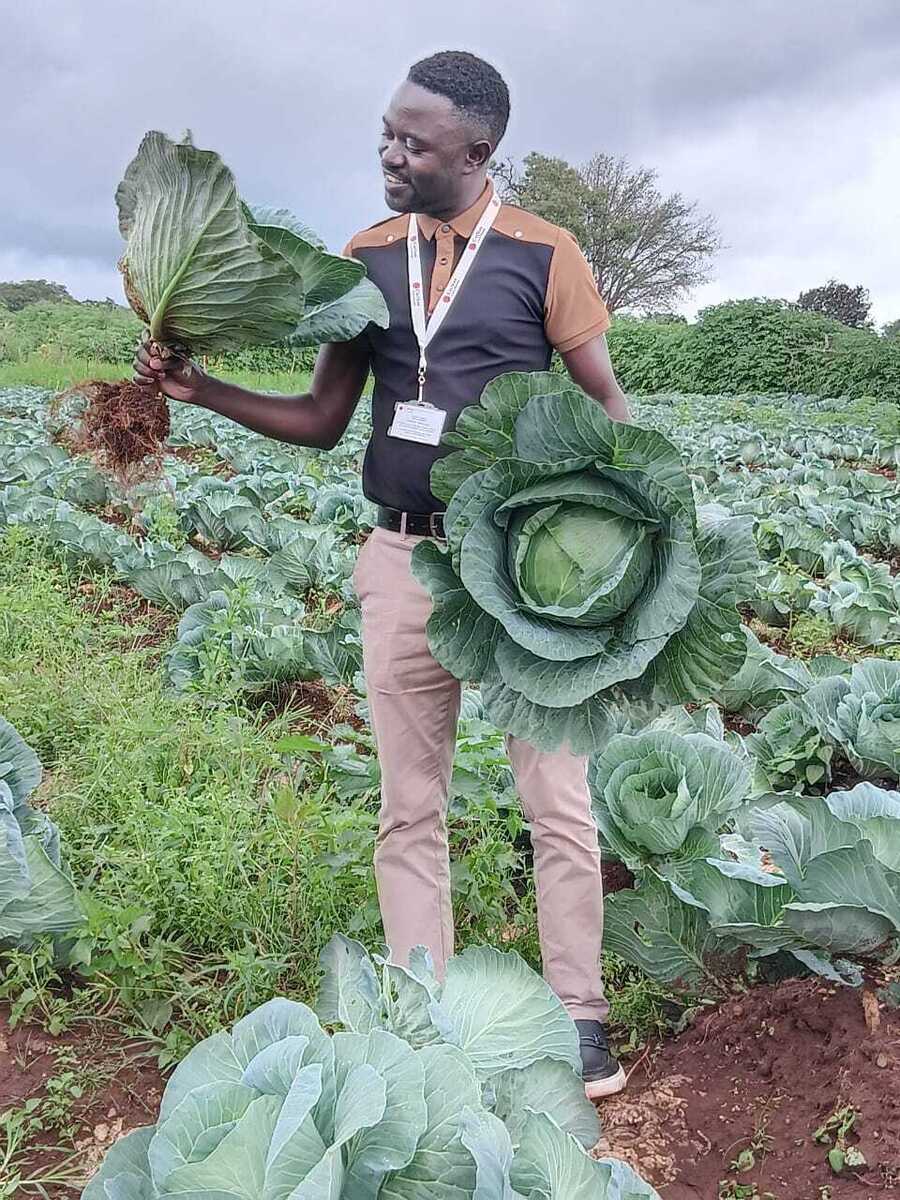
Following the procurement of the necessary inputs, seedlings were raised and transplanted. The crop has since been healthy maintained, with the production unit already supplying cabbage for the school’s feeding programme.
The garden is helping the school reduce its reliance on externally purchased vegetables while increasing access to fresh produce for learners.
Learning Beyond the Classroom
The benefits of the garden extend beyond the meals it supports.
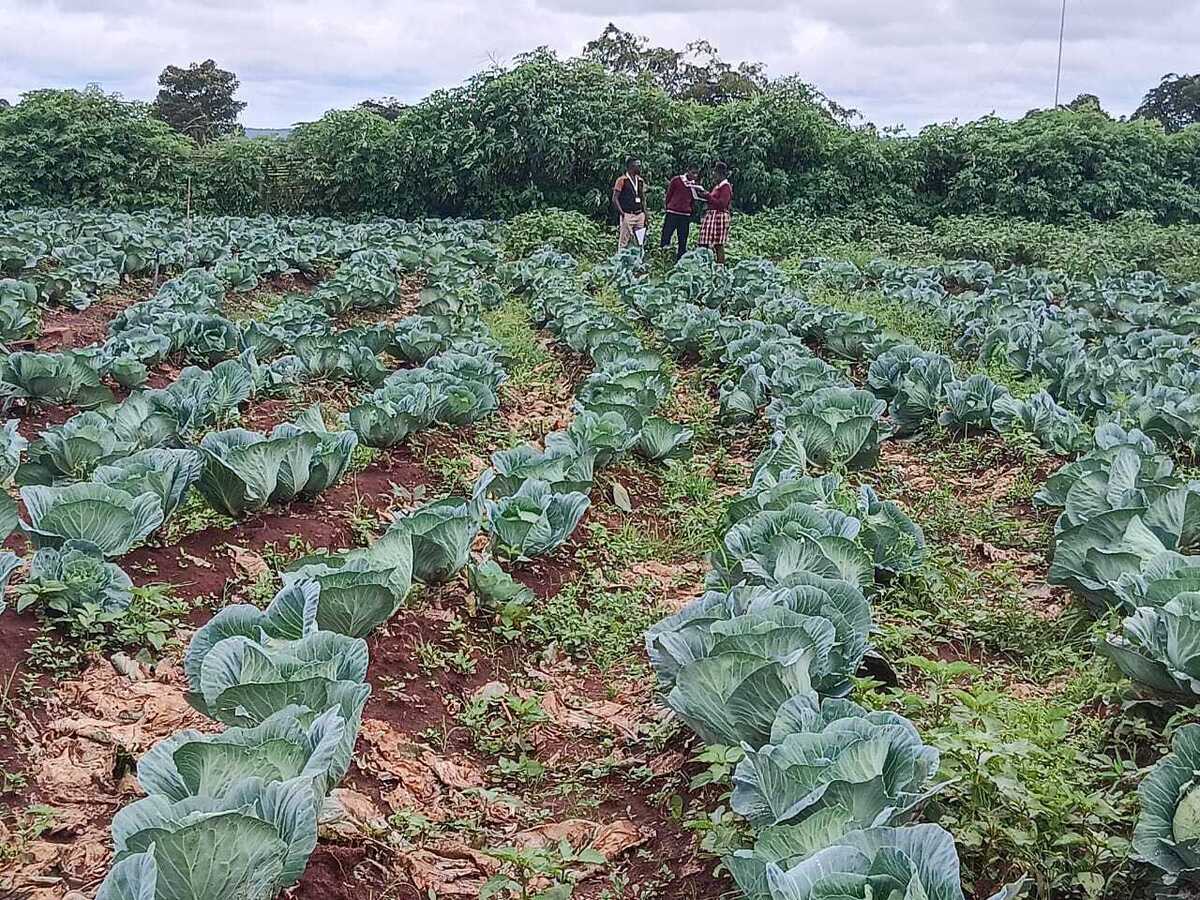
By taking part in cultivating the crops, learners are gaining practical agricultural skills and a better understanding of how food can be produced and sustained within their own communities.
For a school that brings together young people from both refugee and host communities, the garden also provides a shared space where learners can work together, learn from one another and build skills that can be useful beyond the classroom.
Looking Towards Sustainability
For Dominic Ndonji, a teacher and Production Unit Coordinator at Meheba Boarding Secondary School, the value of the initiative extends beyond the vegetables harvested.
“The production unit has not only benefited the school but also the community by improving food availability and supporting the feeding programme,” says Ndonji.
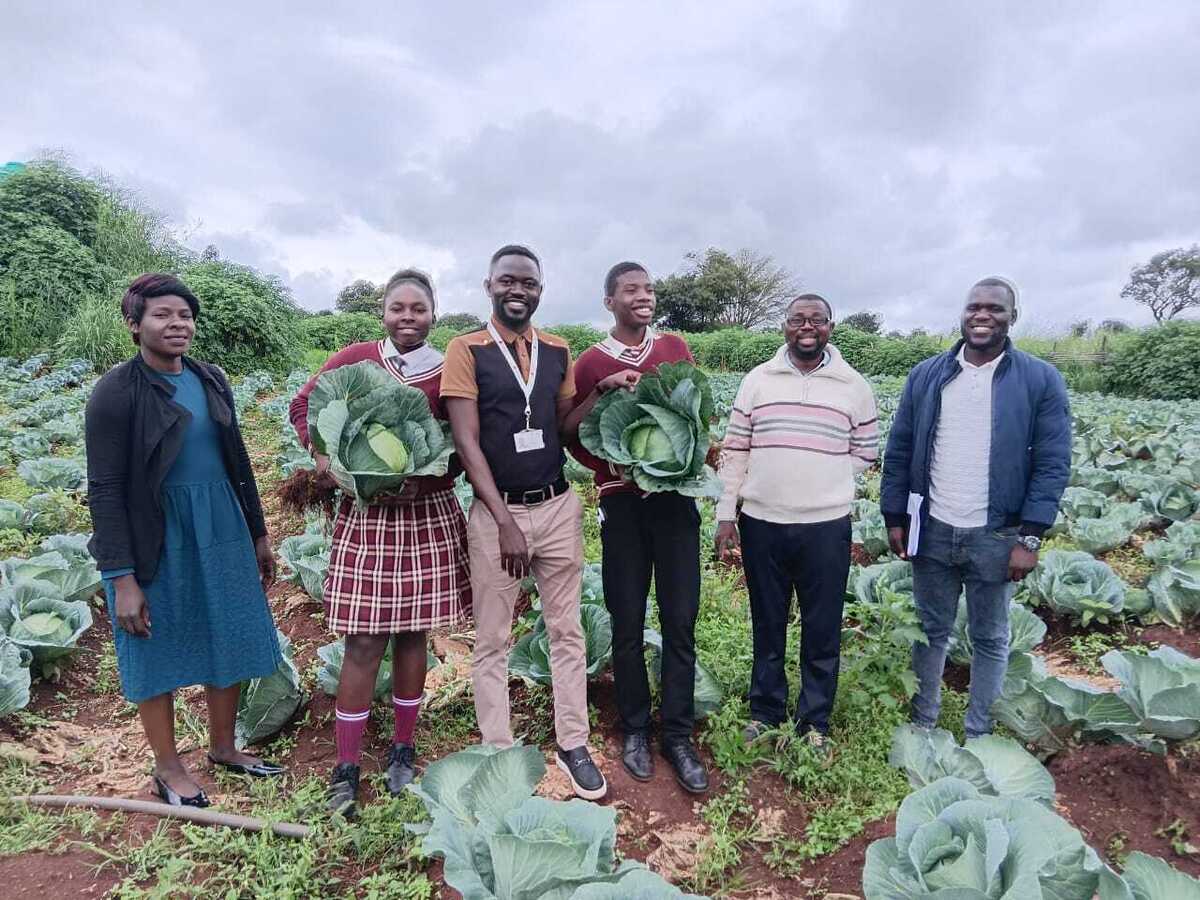
As the garden develops, the school plans to strengthen its watering system and improve the recording of production and harvests. These measures will help the production unit remain productive and continue supporting the school’s feeding programme.
A Practical Partnership
The work at Meheba Boarding School reflects the wider collaboration between UNHCR and Caritas Czech Republic to support refugees and host communities through practical solutions that strengthen food security and resilience.
At the school, that support has taken root in a simple but meaningful way: a garden that helps put fresh food on learners’ plates while giving young people the knowledge and experience to grow it themselves.