March 7, 2024
– Due to the delayed start of the rainy season and insufficient rainfall, Zambia has been facing abnormally dry conditions since the beginning of 2024. The government is concerned as the drought affects the southern half of Zambia, especially agriculture. It is the source of livelihood for over 70% of the local population. “The situation is serious and terrible,” says Martina Havlíková, the Country Director at Caritas Czech Republic in Zambia.
A significant threat to farmers
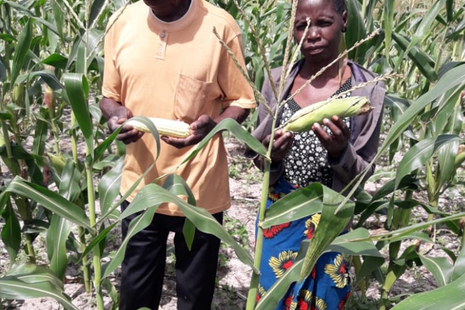
The drought has significant consequences for the farmers in the region. “The agriculture is seriously impacted,” explains Havlíková. The drought will impact all farmers in the Meheba refugee settlement, whom Caritas Czech Republic supports. If the situation gets even more severe, other areas, especially the Mayukwayukwa refugee settlement, where we also work, will be hit much harder.

The influence on the agriculture means that the farmers' income will be drastically reduced, and high food shortage is expected. The living costs in Zambia are already high, fuel prices are increasing, and the inflation rates are up. All these factors make a humanitarian crisis very likely.
The impact of El Nino
The drought is related to El Nino, a climate phenomenon causing the temperatures of the sea surface of the central and eastern tropical Pacific Ocean to climb over average. El Nino climate in combination with large rainfall deficit over the past two months bring drier conditions to the southern half of Zambia. The government is concerned about the country and its people. The drought has affected other countries such as Angola, Namibia, Botswana, Zimbabwe, Mozambique, and Madagascar.
New technologies to adapt to climate change
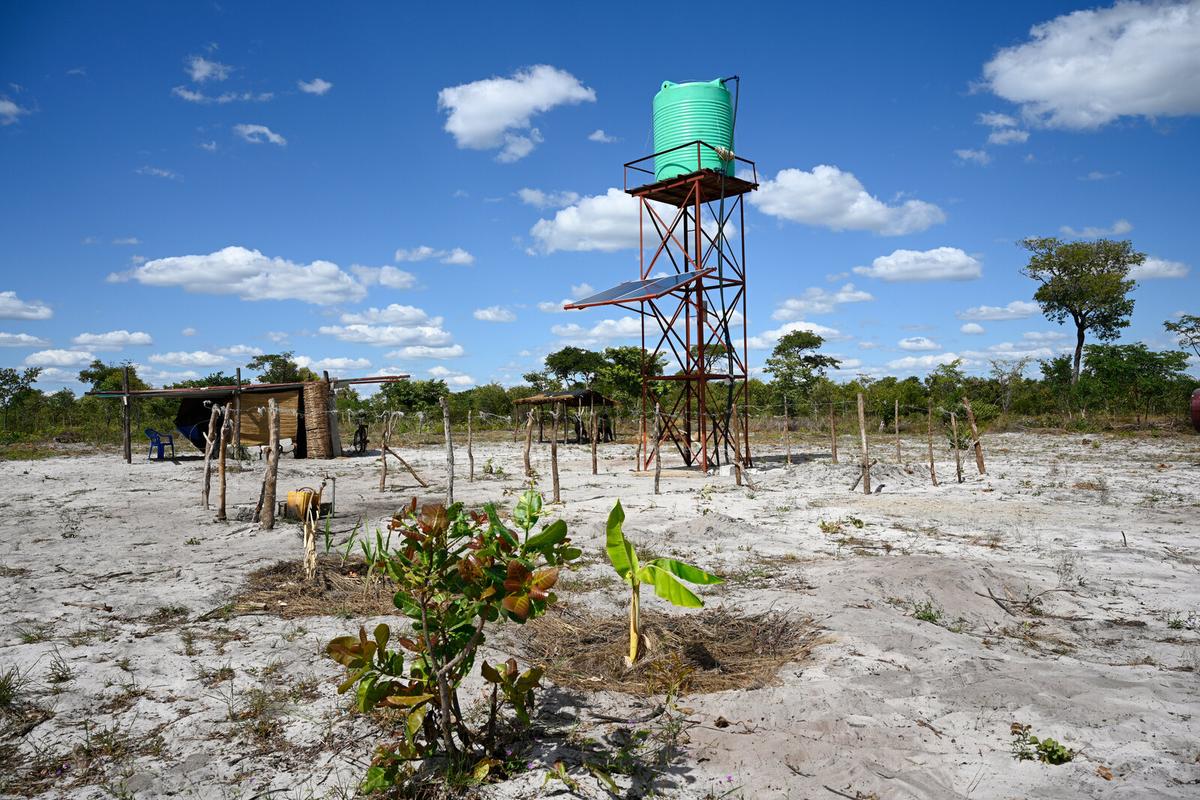
Climate change affects everyone, but farmers are the most hit. We have long been supporting farmers in the country, introducing climate change adaptation strategies and sustainable farming methods to them. Together with the Zambian Ministry of Agriculture, Caritas Czech Republic has trained more than 40,000 farmers to adapt to climate change. In Zambia, we help for example by introducing farmers to technological innovations that enable them to adapt to the changing climate. Caritas Czech Republic is supporting farmers in growing resilient crops, and introducing mobile apps that give farmers access to important climate information, help them get their crops to the markets and get insured against climate risks. "Thanks to Caritas, we now have food on the table all year round," says farmer Mwiba.